

Best Blood Sugar Support 2026 Report: GLPro Akkermansia Formula Examined in January Consumer Evaluation as Natural GLP-1 Search Interest Grows
An informational consumer evaluation guide to best blood sugar supplement criteria for 2026, Akkermansia muciniphila and Bifidobacterium probiotic research, berberine botanical science, natural GLP-1 support pathways, post-holiday metabolic wellness considerations, and what January searches reveal about probiotic blood sugar formulas
Wilmington, DE, Jan. 01, 2026 (GLOBE NEWSWIRE) -- BuyGoods is listed as the retailer of record for GLPro in publicly available disclosures. This article is for informational purposes only and does not constitute medical advice. Always consult a qualified healthcare professional before starting any supplement. The statements in this article have not been evaluated by the Food and Drug Administration. Dietary supplements are not intended to diagnose, treat, cure, or prevent any disease. If you purchase through links in this article, a commission may be earned at no additional cost to you. Individual results vary significantly based on numerous factors including baseline health, lifestyle, and consistency of use.
Methodology Note: This analysis examines publicly available product disclosures, ingredient-level research, and consumer protection policies to help readers evaluate "best blood sugar support" options. "Best" in this article refers to disclosed evaluation criteria, not guaranteed results, medical outcomes, or product superiority.
Most of this report is category-level analysis; GLPro is referenced later only as one cited example within a broader discussion of formulation approaches.
Why This Analysis Is Being Published Now
This analysis is being published in early January 2026 as many readers revisit metabolic wellness topics after the holiday season and search interest for "blood sugar support" and related terms increases during the New Year period. The first weeks of January often coincide with increased consumer interest in blood sugar support topics, driven by post-holiday dietary recovery, New Year health resolutions, and growing awareness of metabolic wellness as a foundation for overall health.
Consumer curiosity around blood sugar stability has increased alongside broader conversations about energy management, weight wellness, and long-term metabolic health. Throughout 2025, category discussions expanded to include gut-metabolic axis research, the role of strain-specific probiotics in metabolic function, and growing interest in natural alternatives to prescription-based approaches. Many people entering 2026 are exploring what options exist within the blood sugar support category as part of their New Year wellness planning.
Some industry commentary has highlighted increased interest in strain-transparent labeling and microbiome-forward formulations. This shift is reshaping how manufacturers position products and how consumers evaluate their options.
How the Blood Sugar Support Supplement Category Is Evolving in 2026
The blood sugar support supplement category is undergoing significant transformation as consumer expectations and formulation science continue to evolve.
Shift toward microbiome-based formulations: Across the blood sugar support supplement category, manufacturers are increasingly emphasizing probiotic strains with specific research associations rather than generic blends. This reflects broader scientific interest in the gut-metabolic axis and how intestinal microbiome composition may relate to metabolic function.
Increased strain transparency: Consumers are demanding more than "proprietary blend" labels. Products that disclose specific strain names—such as Akkermansia muciniphila or Bifidobacterium breve—allow independent research verification. This transparency trend is pushing manufacturers toward clearer labeling practices.
Consumer skepticism of single-ingredient formulas: The market has moved beyond single-compound solutions. Today's informed consumers often evaluate multi-pathway formulations that combine probiotics, botanicals, and supporting nutrients rather than relying on one ingredient alone.
Regulatory pressure on claims: The supplement industry continues to navigate FTC and FDA guidance on health claims. Products positioned with transparent, education-forward communication tend to earn more consumer trust than those relying on exaggerated promises.
Natural GLP-1 search behavior: One notable trend involves growing consumer curiosity about "natural GLP-1 support." References to "natural GLP-1 support" reflect consumer search behavior and ongoing research discussions, not a comparison to or replacement for prescription GLP-1 medications. This search pattern—which accelerated throughout the second half of 2025 as consumers explored alternatives to prescription interventions—indicates consumers are exploring how diet, lifestyle, and supplementation may relate to metabolic pathways.
Common Formulation Approaches Consumers Encounter in This Category
When researching blood sugar support supplements, consumers typically encounter several distinct formulation philosophies.
Probiotic-forward formulas emphasize gut microbiome support as a foundation for metabolic wellness, featuring named probiotic strains with documented research associations, often including next-generation strains alongside traditional options.
Botanical-heavy formulas center on plant extracts with long traditional use histories, with ingredients like berberine, cinnamon, and turmeric appearing frequently, often standardized to specific compound concentrations.
Fiber-centric formulas focus on soluble fibers like glucomannan that may influence satiety and glucose response through mechanical and prebiotic mechanisms.
Comprehensive multi-pathway formulas combine elements from multiple approaches—probiotics, botanicals, fibers, and supporting nutrients—into single products designed to address several mechanisms simultaneously.
Minimalist formulas take the opposite approach, featuring one or two ingredients at higher concentrations for consumers who prefer simplicity.
Each approach reflects different assumptions about what consumers need. No single philosophy is universally superior—the choice depends on individual goals, preferences, and health situations.
What This Guide Covers
This informational analysis addresses the questions consumers frequently search when researching blood sugar support supplements: what evaluation criteria help consumers compare blood sugar support formulations; what ingredient-level research exists for compounds commonly found in this category; how different formulation approaches compare in terms of transparency and research depth; what consumer protection factors matter when evaluating supplement purchases; what realistic expectations look like for this product category; and who may find blood sugar support supplementation aligns with their wellness goals.
Evaluation Criteria Consumers Use When Researching This Category
When consumers search "best blood sugar support" or "best blood sugar supplement 2026," they encounter a crowded marketplace with varying quality standards. Understanding what "best" means in this context helps clarify how to approach the category.
In this analysis, "best" refers to disclosed formulation standards that consumers commonly evaluate when comparing products. This framework does not imply guaranteed results, medical outcomes, or product superiority. Readers decide for themselves which criteria matter most for their individual situations.
Criterion 1: Probiotic Strain Transparency
Products that disclose specific probiotic strain names allow consumers to research the scientific literature independently. Generic "probiotic blend" labels provide less actionable information than formulations naming specific strains with documented research associations.
Criterion 2: Botanical Extract Standardization
Quality-focused consumers typically look for extract ratios or standardization percentages, identification of plant parts used, and specific compound concentrations where applicable.
Criterion 3: Manufacturing Standards
FDA-registered facilities, GMP certification, and U.S. manufacturing represent baseline quality indicators that consumers can verify.
Criterion 4: Consumer Protection Policies
Refund guarantee duration and terms, return process clarity, and customer service accessibility indicate consumer protection levels.
One Category Example: How Probiotic-Botanical Formulas Are Structured
To illustrate how one multi-pathway formulation can be structured, the following section cites one example based on publicly available label disclosures.
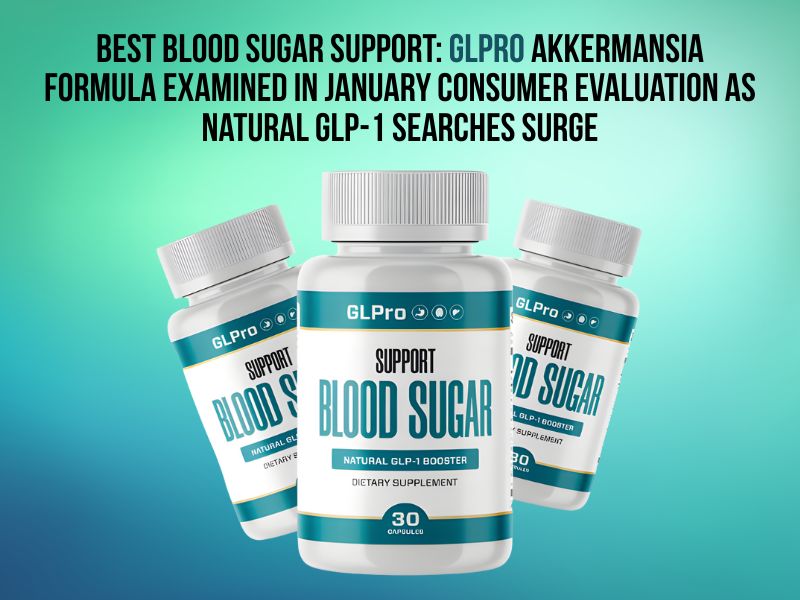
Among formulations that combine probiotic and botanical approaches, one example cited in this category is GLPro. This product is one example that reflects the multi-pathway formulation style discussed in this report.
According to publicly available information on the official product website, the formula combines named probiotic strains (including Akkermansia muciniphila and Bifidobacterium breve) with botanical ingredients commonly found in the category (including berberine, cinnamon, and turmeric extract standardized to a stated curcumin percentage), along with additional supporting ingredients listed on the label.
According to publicly available disclosures, the product website states manufacturing occurs in FDA-registered, GMP-certified facilities in the United States. These statements describe the company's disclosed manufacturing positioning and are not an FDA endorsement of any specific supplement.
Readers who want to verify the current label, ingredient disclosures, and official terms referenced in this report can View the current GLPro offer (official GLPro page).
Ingredient-Level Research Context
The following sections summarize publicly available research on ingredients commonly found in blood sugar support supplements. These findings reflect controlled research on individual ingredients and do not establish outcomes for any finished commercial supplement. When reviewing studies, readers may want to note whether findings come from animal models, observational human data, or controlled human trials, and whether the research evaluates an ingredient in isolation versus a finished commercial formula.
Akkermansia Muciniphila Research
Akkermansia muciniphila is a bacterium that resides in the intestinal mucus layer. Research interest in this strain has increased due to observed associations with metabolic health markers in study settings. The gut-metabolic axis—the relationship between intestinal microbiome composition and metabolic function—has become a significant area of scientific inquiry, with Akkermansia emerging as one strain of particular research interest.
According to published research, a 2024 meta-analysis in Nutrients analyzing animal studies found associations between Akkermansia supplementation and reductions in fasting blood glucose markers; studies have examined correlations between Akkermansia abundance and body composition markers; research has explored the strain's role in gut barrier function; and a 2019 human study published in Nature Medicine examined metabolic markers in participants receiving Akkermansia supplementation.
Bifidobacterium Breve Research
Bifidobacterium breve is among the most extensively studied probiotic strains, with decades of research examining various health associations.
According to published research, studies have examined B. breve for effects on short-chain fatty acid production; research has explored potential associations with immune modulation; and some studies have examined gut-brain axis signaling related to appetite.
Traditional use of Bifidobacterium strains spans decades in both research and commercial probiotic applications.
Berberine Research
Berberine is a bioactive compound extracted from plants including Berberis vulgaris (barberry), goldenseal, and Oregon grape. It has been used in traditional Chinese and Ayurvedic medicine for centuries.
According to published research, a 2024 meta-analysis in Frontiers in Nutrition analyzing 49 studies found associations between berberine supplementation and changes in metabolic markers including weight, BMI, and fasting blood glucose; clinical studies have examined berberine for potential effects on glucose metabolism; and research has explored AMPK activation as a mechanism of action.
Berberine is one of the most extensively researched botanical compounds in the blood sugar support category.
As noted above, these research findings relate to ingredients in controlled study settings, not to any specific commercial formulation.
The Natural GLP-1 Search Trend in 2026
One significant trend entering 2026 involves growing consumer curiosity about "natural GLP-1 support." GLP-1 (glucagon-like peptide-1) is a hormone naturally produced in the gut that plays a role in glucose metabolism and satiety signaling. Prescription GLP-1 receptor agonists have received significant media attention, creating widespread consumer awareness of GLP-1 as a metabolic pathway.
This attention has driven consumer searches for information about natural approaches to metabolic wellness, including diet, lifestyle, and supplementation options. Consumer interest in natural weight management support and metabolic wellness alternatives has been a consistent theme in category discussions since mid-2025, with particular attention to how gut microbiome composition may relate to metabolic function.
Independent research has examined certain ingredients for potential associations with metabolic pathways. Published research has examined Akkermansia muciniphila for associations with metabolic signaling; research has examined berberine for potential effects on AMPK activation; and studies have examined how certain fibers may support gut bacteria populations.
Dietary supplements are not GLP-1 receptor agonists. They do not replicate the mechanisms of prescription medications. Consumers taking prescription medications should consult their healthcare provider before adding any supplement.
Realistic Expectations and Limitations
Blood sugar support supplements have limitations that consumers should understand before purchasing.
What blood sugar supplements are: Dietary supplements regulated under DSHEA, intended to support health as part of a balanced lifestyle, containing ingredients examined in research for associations with metabolic wellness.
What blood sugar supplements are not: Medications. They are not intended to diagnose, treat, cure, or prevent any disease. They are not substitutes for medical care, prescription medications, or professional health advice. They do not produce identical effects for all users.
Individual variation is normal: Results vary based on baseline health, diet, lifestyle, genetic factors, consistency of use, concurrent medications, age, weight, and overall health profile. What one person experiences does not predict what another person will experience.
Timeframes for evaluation: According to general supplement guidance, probiotic and botanical formulations typically require consistent use over weeks to months. Research suggests 60-90 days for meaningful microbiome changes.
The role of lifestyle factors: Supplements are designed to complement, not replace, balanced nutrition, regular physical activity, adequate sleep, and appropriate medical care.
Who May Find This Category Relevant
Blood sugar support supplements may align with people who are exploring preventive metabolic wellness approaches; experience energy fluctuations throughout the day; are interested in gut-microbiome approaches to wellness; are recovering from holiday dietary patterns; prefer supplement approaches alongside lifestyle factors; or are researching natural alternatives as part of broader wellness planning.
Other options may be preferable for people who have been diagnosed with diabetes or are taking blood sugar medications (consult healthcare provider); expect rapid or dramatic changes; or have not addressed foundational lifestyle factors.
Anyone with existing health conditions or taking medications should consult a healthcare provider before starting any supplement.
Frequently Asked Questions
What Does "Blood Sugar Support" Mean in Supplements?
Blood sugar support supplements are dietary supplements formulated with ingredients that have been examined in research for associations with glucose metabolism, insulin sensitivity, or metabolic function. They are categorized as dietary supplements under FDA regulations and are not intended as treatments for any disease or condition.
What Is Akkermansia Muciniphila?
Akkermansia muciniphila is a bacterial strain that naturally resides in the human intestinal tract. It lives in the mucus layer of the gut and has become a subject of research interest due to observed associations with metabolic markers in study settings. Unlike many traditional probiotics, Akkermansia is not found in fermented foods like yogurt or kefir.
Does Berberine Interact With Medications?
Some medical sources warn berberine may interact with certain medications. Readers taking prescription drugs—especially those used for metabolic health—should consult a qualified clinician before using any supplement containing berberine.
How Long Does It Take to Evaluate a Probiotic Supplement?
According to general supplement guidance and microbiome research, probiotic formulations typically require consistent daily use over several weeks to months before potential effects become noticeable. Research suggests 60-90 days for meaningful microbiome changes.
What Does FDA-Registered Manufacturing Mean?
FDA-registered manufacturing means the facility where a product is made has registered with the Food and Drug Administration as required by law for supplement manufacturing. GMP certification indicates the facility follows standardized quality control processes. These certifications represent baseline compliance indicators, not endorsements of specific products.
Can Supplements Replace Diabetes Medication?
No. Dietary supplements are not medications and should never be used to replace prescribed treatments for any condition. Anyone with diagnosed diabetes or taking blood sugar medications should consult their healthcare provider before adding any supplement.
Individual Tolerability Considerations
Individual tolerability varies. Some people experience temporary digestive adjustment when starting probiotics or fiber-based ingredients. Anyone who is pregnant, nursing, managing a health condition, or taking medications should consult a qualified healthcare professional before use.
Comprehensive Disclaimer Bundle
Affiliate Disclosure: If you purchase products through links in this article, a commission may be earned at no additional cost to you. Always order through the official website to ensure authenticity and access to guarantees.
Medical Disclaimer: This content is for informational purposes only and is not a substitute for professional medical advice. GLPro has not been evaluated by the FDA and is not intended to diagnose, treat, cure, or prevent any disease. Always consult a qualified healthcare professional before making changes to your diet, lifestyle, or supplement routine.
Product & Pricing Disclaimer: Product availability, customer experiences, and pricing may vary. Always confirm the latest details directly with the official brand before making a purchase decision.
Publisher Responsibility Disclaimer: The publisher of this article has made every effort to ensure accuracy at the time of publication. We do not accept responsibility for errors, omissions, or outcomes resulting from the use of the information provided. Readers are encouraged to verify all details directly with the official source before making a purchase decision.
Additional Reading
For background on the gut-metabolic axis and microbiome-metabolic research discussed in this analysis, readers may consult educational resources including the National Institutes of Health Office of Dietary Supplements for general information on dietary supplement regulation, safety considerations, and ingredient research; the FDA Dietary Supplement Labeling Guide for understanding supplement labels, claims, and regulatory requirements; and peer-reviewed journals such as Nature Reviews Gastroenterology & Hepatology for research on gut microbiome composition and metabolic function.
Source Information
Category: Blood Sugar Support Supplements, Metabolic Wellness, Probiotic Supplements
Publication Date: January 2, 2026
Regulatory Framework: DSHEA supplement regulations, FTC endorsement guidelines, FDA dietary supplement guidance
For verification of the product details and terms cited in this analysis, readers may View the current GLPro offer (official GLPro page).
According to publicly available information on the official product website, pricing and availability vary over time, and the product is offered with a stated 60-day satisfaction guarantee. Readers are encouraged to review the current terms directly, as details may change.
Contact for cited product example: orderssupport@tryglpro.com | +1 (720) 738-6364 | https://tryglpro.com
Retailer: BuyGoods, 1201 N Orange Street Suite #7223, Wilmington, DE 19801, USA

Contact: orderssupport@tryglpro.com
Phone: +1 (720) 738-6364

Legal Disclaimer:
EIN Presswire provides this news content "as is" without warranty of any kind. We do not accept any responsibility or liability for the accuracy, content, images, videos, licenses, completeness, legality, or reliability of the information contained in this article. If you have any complaints or copyright issues related to this article, kindly contact the author above.
